
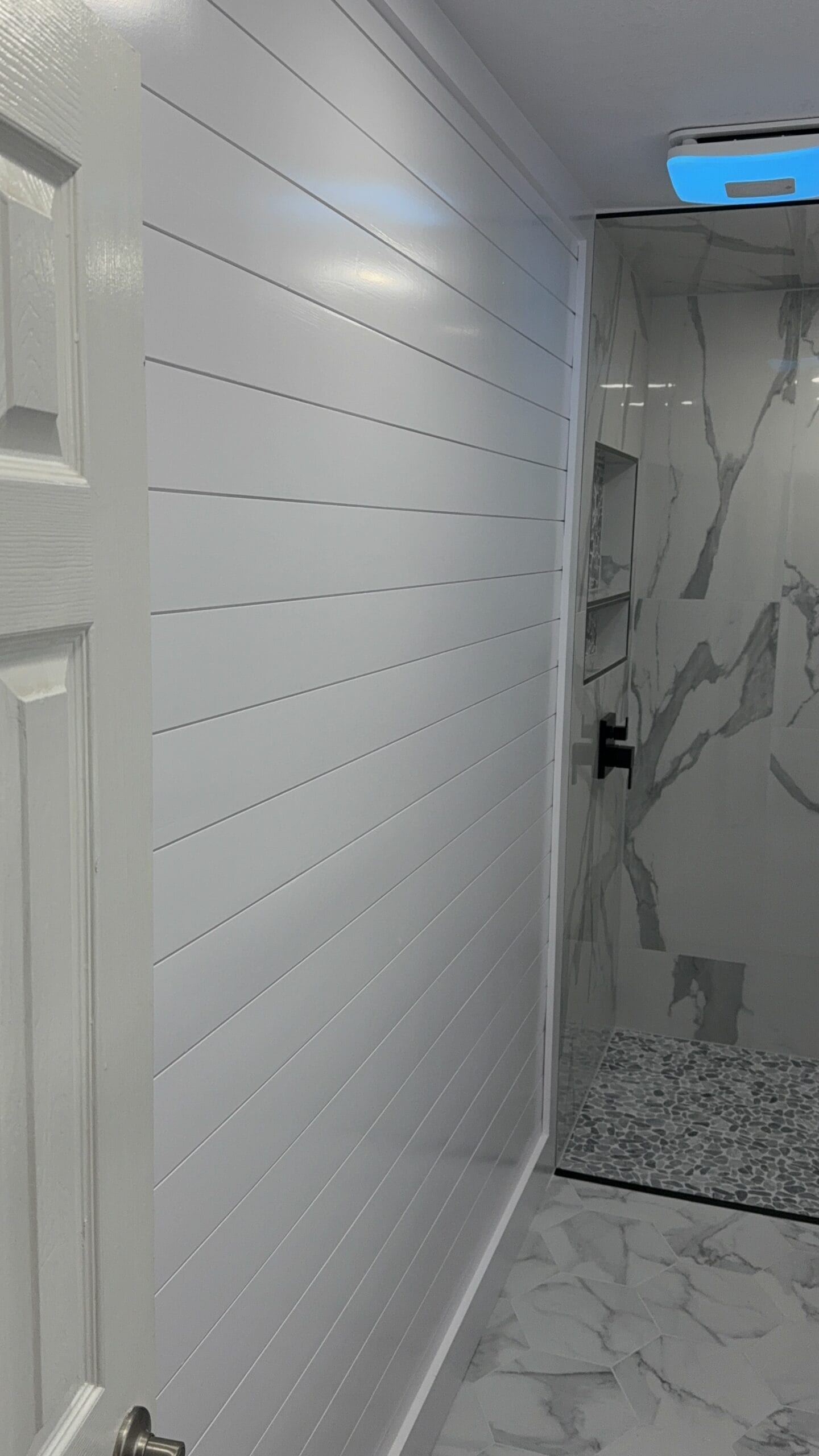
Modernizing an Old Fort Worth Home Without Losing Its Charm
Fort Worth has a lot of good old houses. The bungalows around Fairmount and the Near Southside, the brick homes in Ryan Place, the mid-century ranches in Wedgwood and Westcliff, the older farmhouses out toward Aledo and Weatherford. Folks buy these homes for the character, then realize the wiring is from another era, the layout fights how families actually live now, and the energy bills sting every August. The good news is you can update an old home so it works for you without sanding off the things that made you fall for it in the first place.
I’ve worked on plenty of older houses across Tarrant and Parker County. Here’s how I think about modernizing them honestly, where the money tends to go, and how to keep the soul of the house intact.
Start with the bones, not the surfaces
The mistake I see most often is starting with a pretty kitchen or a fresh bathroom before anyone has looked behind the walls. On a home built before the 1970s, the things that actually matter usually aren’t visible: the electrical panel, the plumbing supply lines, the foundation, and how the house breathes.
A lot of older North Texas homes still have aluminum wiring, two-prong outlets with no ground, or a panel that’s maxed out. Galvanized supply lines corrode from the inside and choke your water pressure. And our soil moves. The expansive clay under most of Fort Worth swells when it’s wet and shrinks in a drought, which is why you see hairline cracks over doorways and floors that slope a little. None of that ruins a house, but you want to know about it before you spend money on finishes that sit on top of problems. Have someone look at the panel, the plumbing, and the foundation first. Fix what’s failing, then make it pretty.
Keep the original details that can be saved
Original hardwood, solid-core doors, real plaster, transom windows, built-ins, and good trim are hard to reproduce today at any reasonable cost. If they’re sound, keep them. Refinishing old oak floors almost always beats tearing them out, and replacing trim with something off the shelf rarely looks as good as the profile you already have.
The judgment call is knowing what’s worth saving and what’s just old. A door that’s solid wood and hangs square is worth keeping. A window that’s rotted through and leaks air is a different conversation. You don’t have to be a purist. You just want to be deliberate, so the character pieces stay and the worn-out parts get handled.
Get the envelope and the HVAC right for Texas heat
Comfort in an old Fort Worth home usually comes down to the attic and the air sealing, not the thermostat. A lot of these houses have almost nothing in the attic and leak air everywhere. In our climate, where summer runs hot for months, adding attic insulation to current recommended levels and sealing the obvious gaps around can lights, the attic hatch, and top plates makes a real difference in how the house feels and what it costs to cool.
For windows, you have a choice. If the originals are wood and in decent shape, weatherstripping and storm windows can tighten them up while keeping the look. If they’re already failing, efficient replacements are reasonable. Either way, a right-sized HVAC system matters more than people think. Older homes were often patched together with a unit that’s too big or too small, and bigger is not better here. Get the load calculated for the actual house.
Open the layout, but respect how the house was built
Old homes were built room by room, with small kitchens and walls everywhere. Opening up the kitchen to the living area is one of the most popular changes I do, and it usually pays off in how the home lives day to day. But it has to be done with care.
Some of those walls hold the roof up. Removing a load-bearing wall means a properly sized beam and, often, an engineer’s stamp, which is exactly the kind of thing the City of Fort Worth wants permitted and inspected. That’s not a hassle to avoid. It’s how you make sure the change is safe and shows up clean when you sell. When you do open things up, you can keep the character by leaving original ceiling height, reusing trim, or carrying the old floor through the new space so it reads as one house, not a remodel bolted onto an antique. A thoughtful kitchen remodel in an older home is as much about blending old and new as it is about cabinets.
Modernize the kitchen and bath without making them generic
This is where most of the daily value lives. In an older home, the trick is updating function while keeping a connection to the era of the house. In a 1920s bungalow that might mean shaker cabinets, simple subway tile, and an apron sink. In a mid-century ranch it might mean flat-panel doors and clean lines. You don’t have to theme it. You just don’t want a builder-grade box dropped into a house with real character.
On budget, here’s how it tends to shake out for the Fort Worth area. A bathroom remodel typically runs in the $25,000 to $45,000 range depending on size, tile, and whether the plumbing has to move. Kitchens come in two tiers: a basic refresh that keeps the existing layout and updates finishes usually runs $20,000 to $25,000, while a full kitchen remodel that changes the layout and goes deeper on cabinets and appliances generally lands between $25,000 and $50,000. Old homes can push toward the higher end because of what’s behind the walls, so build a little cushion into your number.
Add space without faking the original
Sometimes a home just needs more room, a primary suite, a real laundry, a bigger kitchen. A well-designed addition can do that, and the goal is to make the new part feel like it always belonged. That means matching roof pitch, brick or siding, window proportions, and rooflines so the addition reads as part of the house instead of a tumor on the back of it.
Additions are a bigger commitment. Across the Fort Worth area, room additions typically run anywhere from $60,000 to $300,000 depending on size, finish level, and whether you’re stacking a second story. They also lean hard on permitting and foundation work, which matters even more on our shifting clay soil. If you’re weighing this, a room addition is worth scoping carefully before you fall in love with a floor plan.
Don’t skip the permits, especially on an old house
I’ll be straight with you on this one. Structural changes, electrical, plumbing, and additions in Fort Worth and the surrounding cities generally require permits and inspections, and older homes get extra scrutiny because so much of the original work predates modern code. Pulling permits isn’t about red tape. It protects you. Unpermitted work can blow up a sale, void insurance after a loss, and hide dangerous shortcuts. A real contractor handles this as part of the job, not as an afterthought.
For the record on who we are: Salvation Home Remodeling is a Fort Worth and Aledo city-registered building contractor (#RB026782 / #25-000007) and fully insured. Texas doesn’t issue a statewide general-contractor license, so be wary of anyone in this market who tells you they’re a “licensed general contractor.” Ask instead about city registration, insurance, and whether they pull permits.
Sequence the work so you don’t waste money
The smartest plan on an old home goes in this order: handle the structural and mechanical problems, tighten the envelope, then do the kitchens, baths, and visible finishes, and add square footage if you need it. Doing it backward, fresh finishes first, almost always means tearing into new work later when the old systems force your hand. You don’t have to do everything at once. You just want each phase to build on the last instead of undoing it.
An old Fort Worth home is worth the effort. Done right, you end up with a house that keeps its character and finally works the way you live. That balance of solid craftsmanship and respect for what’s already there is the whole point of how we work.
Want a straight answer on your house?
If you’ve got an older home in Fort Worth, Tarrant County, or Parker County and you’re trying to figure out what’s worth doing and in what order, we’re glad to walk through it with you. We’ll give you an honest read and a free estimate, with no pressure. Call or text Salvation Home Remodeling at 817-210-7117, or reach out through our contact page and we’ll get you scheduled.