
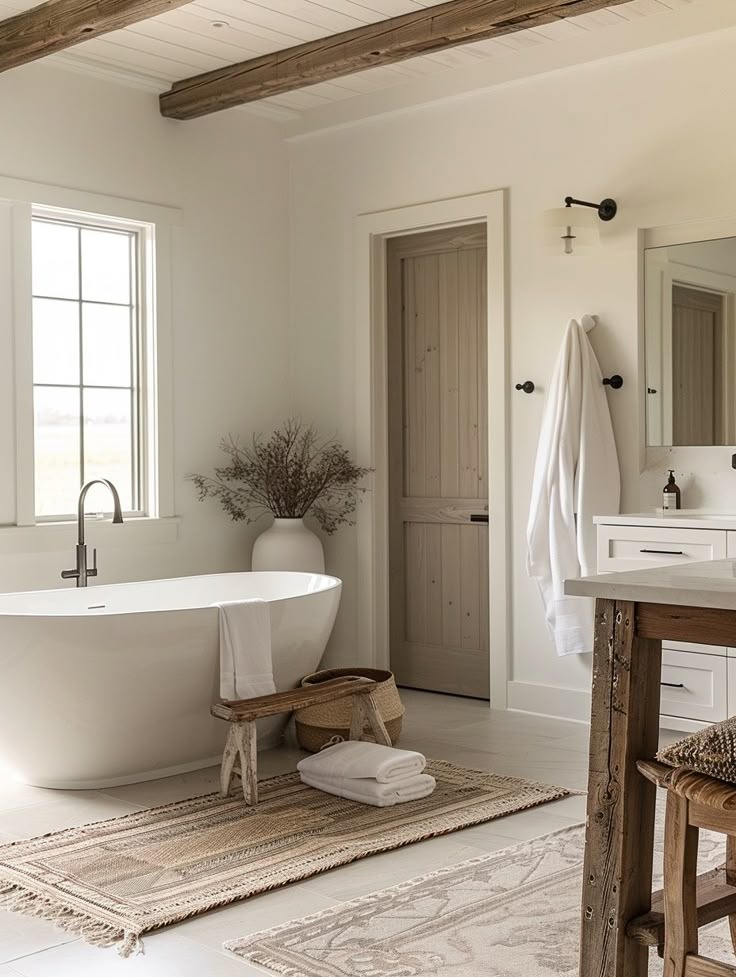
Freestanding vs. Built-In Tub: Which Fits Your Bath?
A tub is one of the first things people picture when they think about redoing a bathroom, and it’s usually where the conversation gets stuck. Someone saw a freestanding soaking tub online, the spouse wants the old built-in alcove back because the kids still take baths, and now nobody can agree. I’ve remodeled enough bathrooms around Fort Worth to tell you the right answer isn’t about which one looks better in a photo. It’s about your space, your plumbing, and how you actually use the room. Here’s the honest breakdown so you can decide before you ever call a contractor.
The Two Types, Plainly
A built-in tub sits in an alcove with three walls around it, or it drops into a tiled deck. It’s the standard American bathtub most of us grew up with. The plumbing hides inside the wall, and you almost always pair it with a shower above, so one fixture does double duty.
A freestanding tub stands on its own in the open. Clawfoot, pedestal, or the modern smooth-sided soaking style. It’s a statement piece. You walk all the way around it, and the plumbing usually comes up through the floor or out of the wall on a separate filler. No shower over it in most cases, so it’s a bathing fixture, not an everyday wash station.
That last point matters more than people expect. If the tub you’re replacing is the only place anyone showers, going freestanding means you also need a separate walk-in shower somewhere in the room. That’s a bigger job and a bigger footprint than folks plan for.
What It Actually Takes to Install Each One
This is where the real cost lives, and it’s mostly hidden from view.
Most homes here in Tarrant and Parker County sit on a concrete slab. That changes the math on a freestanding tub with a floor-mount drain or floor-mounted faucet. To move that drain or run new supply lines for a center-of-the-room tub, we may have to cut and trench the slab, reroute the plumbing, and pour it back. That’s labor, it’s a permit item with the city, and it’s the part nobody sees once the tile goes down. A built-in tub that lands roughly where the old one sat reuses the existing drain and stub-outs, which keeps the plumbing work simple and the bill lower.
Weight is the other quiet factor. A cast iron or stone-resin freestanding soaking tub full of water can run well past 800 pounds. On a slab that’s usually fine. On a second-story bathroom over a wood-framed floor, we check the joists first, and sometimes they need reinforcing. I’d rather find that out during planning than after the floor starts to flex.
Freestanding tubs also eat floor space. They need clearance on all sides to look right and to clean behind. A built-in tucks into a corner and gives that space back to the rest of the room. In a tight three-quarter bath, the built-in usually wins on pure practicality.
The Texas Water-Heater Reality
People fall in love with a deep 70-gallon soaking tub and forget the water heater. A standard 40- or 50-gallon tank won’t fill it hot. You’ll get a lukewarm bath, every time. To do a big soaker right, you often need a larger tank or a tankless unit, plus the gas or electrical capacity to feed it. That’s a real line item, and a good contractor brings it up before you buy the tub, not after. If nobody has mentioned your water heater while you’re shopping for a soaking tub, that’s a sign to slow down.
Permits and Doing It Right
Any time we move plumbing, a permit and inspection are part of the job in Fort Worth and the surrounding cities. That’s not red tape to dread. It’s the thing that protects you when you sell the house and the buyer’s inspector starts asking questions. A tub swapped into the same spot with the same connections is light on permitting. A tub that moves across the room is not. Plan for the inspection, build the timeline around it, and you avoid the scramble later.
On timeline: a straightforward built-in replacement as part of a bathroom remodel moves quickly. A freestanding tub that requires slab work, a new water heater, and a separate shower build is a longer project with more trades involved. Neither is wrong. They’re just different scopes, and you should price them as different scopes.
Cost, Framed Honestly
I won’t quote you a tub price off a blog post, because the tub itself is the small part. The labor underneath it is where budgets move. A typical Fort Worth-area bathroom remodel runs in the $25,000 to $45,000 range, and where you land depends a lot on choices like this one. A built-in tub reusing existing plumbing sits toward the lower end of that scope. A freestanding tub with relocated plumbing, a bigger water heater, and a separate walk-in shower pushes toward the higher end, because you’re really building two fixtures instead of one.
The honest takeaway: the freestanding tub isn’t expensive because it’s fancy. It’s expensive because of what has to happen in the floor and the walls to support it. Go in knowing that and you won’t get surprised.
So Which One Should You Pick?
Here’s how I’d guide a homeowner:
- Choose a built-in tub if you need a tub-and-shower combo, you’re working in a smaller bathroom, you have kids who bathe daily, or you want to keep the budget tighter by reusing the existing plumbing.
- Choose a freestanding tub if you have a roomy primary bath, you already have or plan a separate shower, you genuinely want a deep soak at the end of the day, and you’ve accounted for the water heater and any slab work.
- Think hard before putting a freestanding tub in a small or only bathroom, or on a second floor, without checking the floor framing and the plumbing route first.
A lot of our clients land on a hybrid plan: a large walk-in shower as the daily workhorse plus a freestanding soaker as the relaxation spot, when the room is big enough to carry both. When it isn’t, a well-built built-in tub with good tile and a quality shower valve still makes a bathroom feel brand new. Faith and craftsmanship show up in the parts you don’t see, so we build it to last either way.
Let’s Look at Your Bathroom
The best way to settle the tub question is to stand in the actual room and look at the plumbing, the floor, and the space you have to work with. That’s what we do on a free estimate. We’ll tell you straight what each option really costs in your home and which one makes sense for how you live. Salvation Home Remodeling has served Fort Worth since 2001, and we’re a fully insured, city-registered building contractor here in Tarrant and Parker County.
Call us at 817-210-7117 or reach out through our contact page to set up a free estimate. If you’re weighing a bigger update, our bathroom remodeling page walks through what a full project looks like, and we handle the whole job as your general contractor so you’ve got one team accountable from demo to final inspection.