
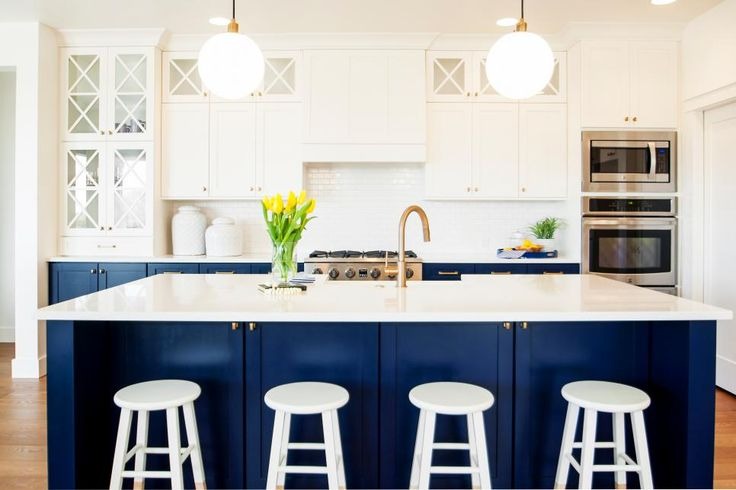
Does a Kitchen Remodel Add Value in Tarrant County?
I get this question on almost every kitchen walkthrough in Fort Worth: “If I put money into this kitchen, am I getting it back when I sell?” It’s a fair question, and the honest answer is that it depends on what you do, what your house is worth now, and what the homes around you are selling for. A kitchen is the room buyers judge a house by, so it carries real weight. But not every dollar you spend comes back the same way. After years of running remodels across Tarrant and Parker County, here’s how I actually think about it.
What “adds value” really means
There are two kinds of value, and people mix them up. The first is resale value, which is what an appraiser or a buyer will pay for the work. The second is the value you get from living in a kitchen that works the way you want for the next ten years. Most of my clients aren’t selling next spring. They’re tired of a cramped galley, a 25-year-old cooktop, and counters with no room to roll out dough. That’s livability, and it’s worth paying for even if you never list the house.
On the resale side, kitchens tend to return a solid portion of what you put in, but rarely all of it on a high-end job. A smart refresh in a mid-priced neighborhood usually returns a larger share than a luxury gut in a starter-home zip code. The trick is matching the remodel to the house and the street. Over-build for the block and you’re handing the next owner a gift. Under-build and you leave money on the table because buyers notice a dated kitchen the second they walk in.
Match the remodel to your neighborhood
This is the part people skip, and it’s the most important. Fort Worth covers a huge range. A 1950s ranch in Meadowbrook, a newer build in Aledo, and a custom home in Westlake are three completely different markets. If homes on your street top out around a certain number, a kitchen with imported stone and commercial appliances won’t push your sale price past the ceiling buyers have set for the area. You’ll enjoy it, but the appraisal won’t reflect every dollar.
The reverse is also true. In Keller, Colleyville, Southlake, and Weatherford, buyers expect a certain finish level. A builder-grade kitchen in a $600k home actually drags the value down because it reads as deferred work. So before we talk tile and cabinets, I want to know what comparable homes near you have been selling for, and what their kitchens looked like. That’s where the budget decision really starts.
Two ways to spend in a Tarrant County kitchen
For most homes around here, a kitchen project lands in one of two lanes. I price them as two separate tiers because they’re genuinely different scopes of work.
- Basic Kitchen Refresh ($20,000–$25,000). This is for a kitchen with a decent layout that just looks tired. We’re talking new countertops, a fresh backsplash, updated fixtures and lighting, new hardware, paint, and either new cabinet doors or a quality refinish. No moving walls, no relocating plumbing or gas. For a lot of Fort Worth homes, this is the move that gets the biggest return per dollar because you’re not paying to tear out and rebuild the bones.
- Full Kitchen Remodel ($25,000–$50,000). This is when the layout itself doesn’t work. We’re taking out a wall to open the kitchen to the living room, relocating the sink or range, running new electrical for an island, replacing all the cabinetry, and often re-doing flooring through the space. It costs more because we’re touching plumbing, gas, framing, and electrical, all of which means permits and inspections in this county.
The honest version: if your layout is fine and you just hate how it looks, don’t pay for a full remodel. If your kitchen fights you every time you cook, a refresh won’t fix that, and you’ll wish you’d done it right. You can see how we break this down on our kitchen remodeling page.
Permits, codes, and the Tarrant County reality
People are always surprised by this part. A cosmetic refresh usually doesn’t need a permit. The moment you move plumbing, add or change electrical circuits, touch gas lines, or take out a wall, you’re into permitted work, and that’s a good thing. In Fort Worth and the surrounding cities, that means plan review and inspections, which protects you and protects the home’s value at resale. An unpermitted addition or a relocated gas line that never got signed off can blow up a sale later when the buyer’s inspector finds it.
A few things that matter specifically around here. If your home was built before the late 1970s, which describes a lot of central and east Fort Worth, we may run into old wiring, cast iron drains, or a panel that can’t handle a modern kitchen’s load. That’s not a reason to panic, but it’s a reason your bid should account for it instead of pretending it isn’t there. Older homes also tend to hide surprises behind the walls, and any builder who’s been doing this in Tarrant County a while builds a little room into the schedule for that. As a Fort Worth and Aledo city-registered building contractor, fully insured, pulling the proper permits is just how we work, not an upsell.
What actually moves the needle for buyers
If your goal is resale, spend where buyers look first. In our market, that’s usually:
- Counters and the sink wall. Quartz has taken over here because it holds up to Texas living and doesn’t need sealing. It reads as “updated” instantly.
- An open, functional layout. Buyers in this area want to see into the living space while they cook. If a single non-load-bearing wall is the only thing in the way, that’s often the best money you can spend.
- Storage and lighting. Soft-close cabinets, a pantry that works, and layered lighting make a kitchen feel like a 2020s kitchen even on a moderate budget.
- Honest, consistent finishes. A kitchen that matches the quality of the rest of the house appraises better than a flashy kitchen bolted onto a dated home.
Where I tell people to go easy is on ultra-custom touches that only you will love. They’re great if you’re staying, but they rarely come back at resale, and sometimes they actually narrow your buyer pool.
How long it takes
A refresh usually runs two to four weeks once materials are on site. A full remodel with permitted work, layout changes, and inspections typically runs six to ten weeks, sometimes longer if we uncover something in an older home or if a custom cabinet order is slow. The single biggest cause of delay isn’t the work, it’s waiting on selections. If you lock your cabinets, counters, tile, and fixtures before we swing a hammer, your project moves. The clients who drag it out are usually the ones still deciding on a backsplash three weeks in.
If a kitchen is part of a bigger plan, it often makes sense to bundle it with other work while the crew is already on site. We do that under full home remodeling and, when you’re adding square footage, with room additions. Doing connected work in one mobilization usually costs less than coming back twice.
So, is it worth it?
For most Tarrant County homeowners, a well-matched kitchen remodel does add value, both the kind you can sell and the kind you live in every day. The way to protect that value is to size the project to your home and your street, pull the right permits, and spend where buyers actually look. Do that, and you rarely regret it. Over-build for the block or cut corners on the permitted parts, and that’s where people get burned.
We’re a Fort Worth-based remodeling company, and we’ll give you a straight read on whether your kitchen should be a refresh or a full remodel before you spend a dime. Faith and craftsmanship are how we run every job, and that starts with an honest estimate. If you want a real number for your home, reach out for a free estimate through our contact page or call us at 817-210-7117. We’ll walk your kitchen, talk through your goals, and tell you the truth about what’s worth doing.